Audio: When making home improvements, a water softener is a pretty easy appliance to overlook.
Visual: Blue title screen with clouds with the title ”Signs You Need a New Softener” with warning sign and EcoPure logo
Audio: Unless the color of it mimics something from
Visual: Three different sized green softeners on the left side of screen.
Audio: the disco era, it’s tough to tell when it’s time for an upgrade.
Visual: Three different sized green softeners on the left side of screen and green blouse on the right side of screen.
Audio: A water softener starts declining with constant use typically after 10 years.
Visual: Three different sized green softeners on the left side of screen and calendar flipping through the years on the right side of screen.
Audio: Let’s look at how you can tell that your system needs an upgrade. The first sign, despite your best efforts to maintain the system,
Visual: Gray slide with number one and the title “Age of Softener”.
Audio: all you get are the spotty dishes, dry itchy skin and stubborn soap scum in your tub at this point.
Visual: Triangle image containing three different icons. Icon of dirty dishes with title “Spotty Dishes,” icon of a sad woman touching her face with the title “dry itchy skin,” an icon of a tub with the title “stubborn soap scum”.
Audio: The system may no longer be regenerating or functioning properly and age may be the culprit.
Visual: Image of a green water softener with cobwebs.
Audio: Another sign is that you have a timer-based water softener.
Visual: Gray slide with number two and the title “Regeneration Style”.
Audio: These regenerate on a schedule you set.
Visual: Image of a green water softener with the water level dropping with an enlarged image of a water softener timer.
Audio: The problem: Your water use can vary, making your regeneration schedule inaccurate.
Visual: Image of a green water softener with flashing red, low water section with an enlarged image of a water softener timer.
Audio: The latest
Visual: Image of a green water softener with the water level rising with an enlarged image of water softener timer.
Audio: softeners are demanded-initiated and use software and sensors within the system to monitor water usage. This is ideal because it works on an as-needed basis, saving energy, water and salt use.
Visual: Image of a water softener with rising and lowering water levels.
Audio: The last sign is that your system is bulky and lacks some important features.
Visual: Gray slide with number three and the title “Low-Performance Capabilities”.
Audio: Take a look at your softener style if you have a twin tank system. Your softener is likely taking up extra room a single cabinet.
Visual: Image of a green water softener with arrows pointing to the title “Twin Tank”.
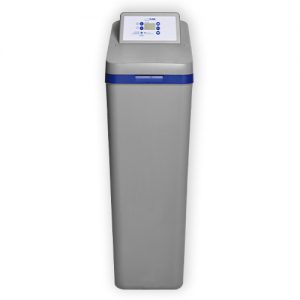
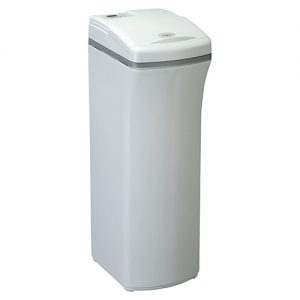
Audio: Style softener is demand initiated and requires less space making it an efficient option for your home.
Visual: Image of white cabinet style water softener.
Audio: And how about those special features? Newer systems include low salt indicators enhanced iron removal and water use monitoring making maintenance and management a breeze if you’ve
Visual: Image of a side by side comparison of the green water softener and the white cabinet style water softener. White water softener is displaying three images on screen. Displaying “no salt,” FE with a line through the letters, and line of alternating size bars.
Audio: decided that it’s time to go out with the old and in with the new.
Visual: Image of white cabinet style water softener.
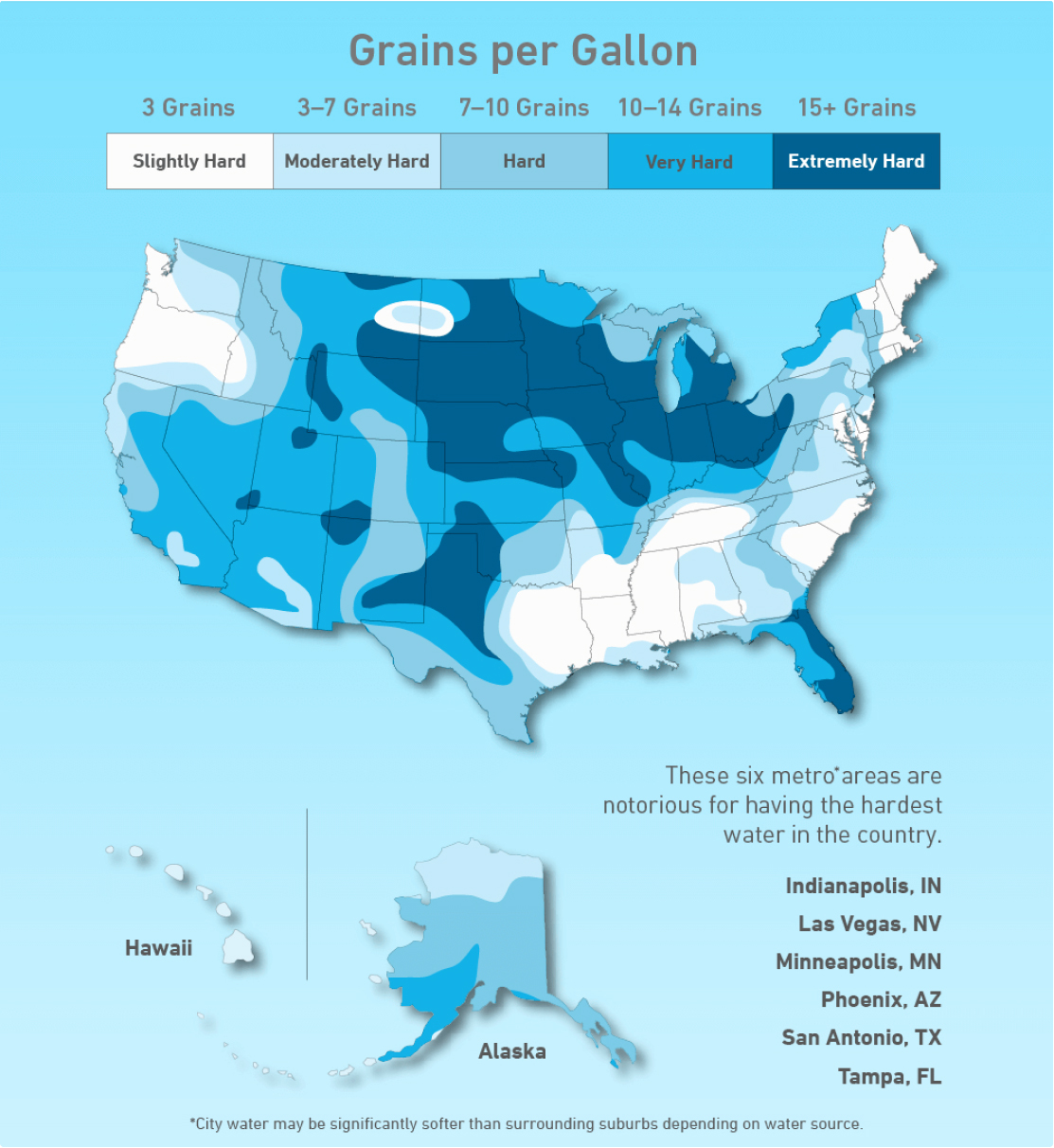
 Did You Know?